We understand not everyone knows exactly how their water system works, so we've added some guidance below to help get your ducks in a row...

Cold Water System
- COLD MAINS WATER
Cold mains water comes directly from your water supplier, from their pipes, to yours!
There are no tanks anywhere at the property which store cold water before it comes out of the taps, showers etc.
- COLD WATER STORAGE TANK
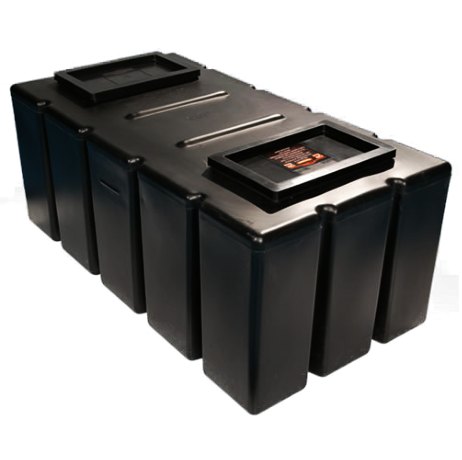
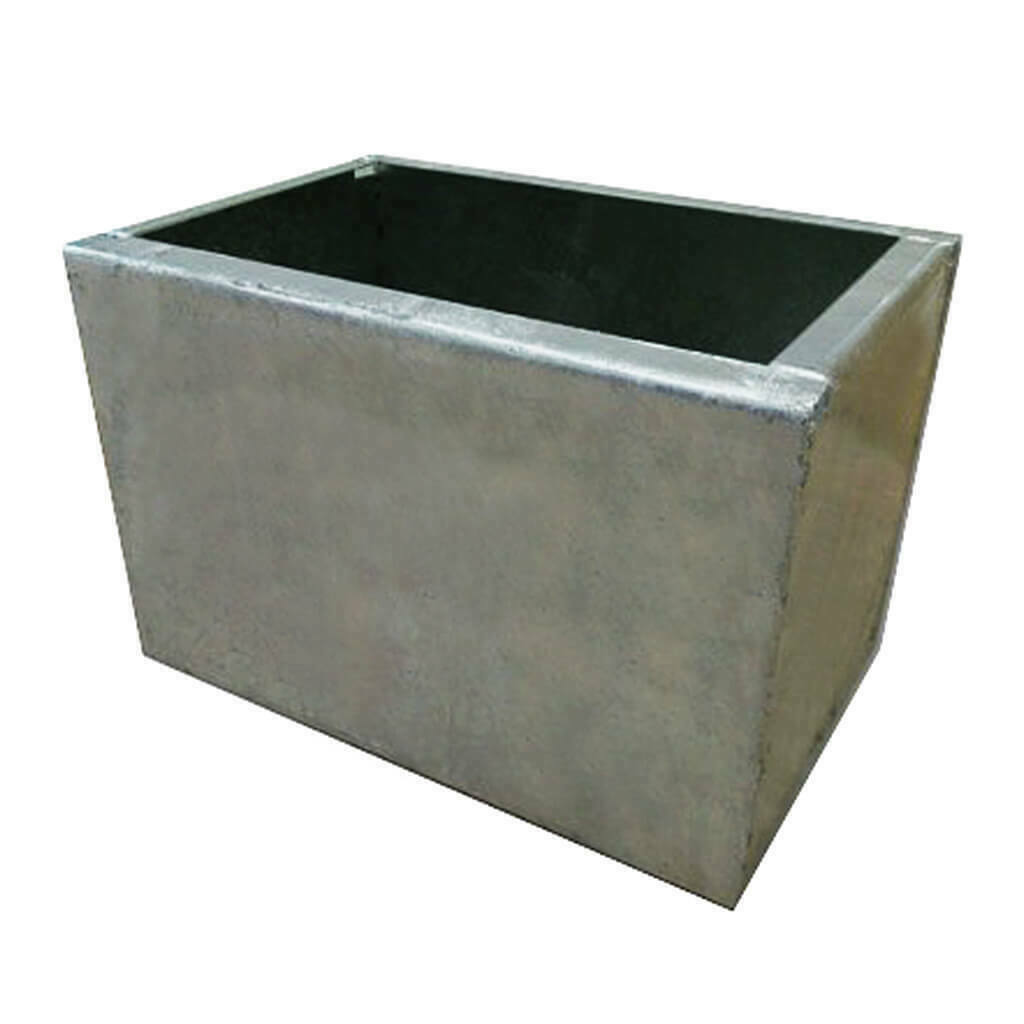
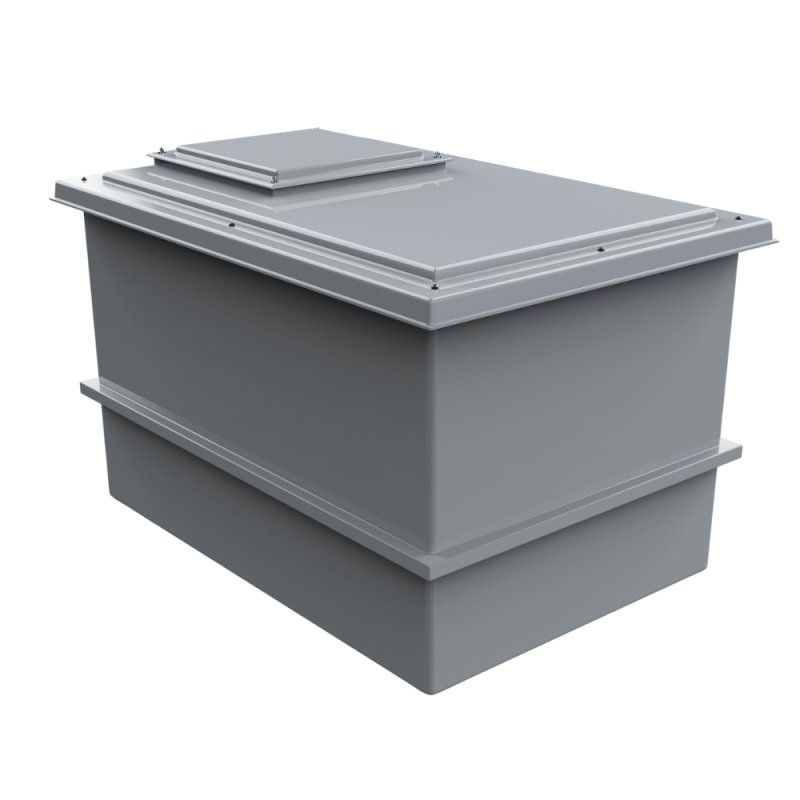
Cold water storage tanks come in many different shapes and sizes. They are normally located in the loft, but sometimes may be in an airing cupboard or even outside.
They are normally made of: Plastic, Metal or GRP (Glass Reinforced Plastic).
Here are some pictures below of the different types of tanks:
- PRIVATE WATER SUPPLY / BORE HOLE
Some properties may have their own water supply via a borehole, well, stream etc.
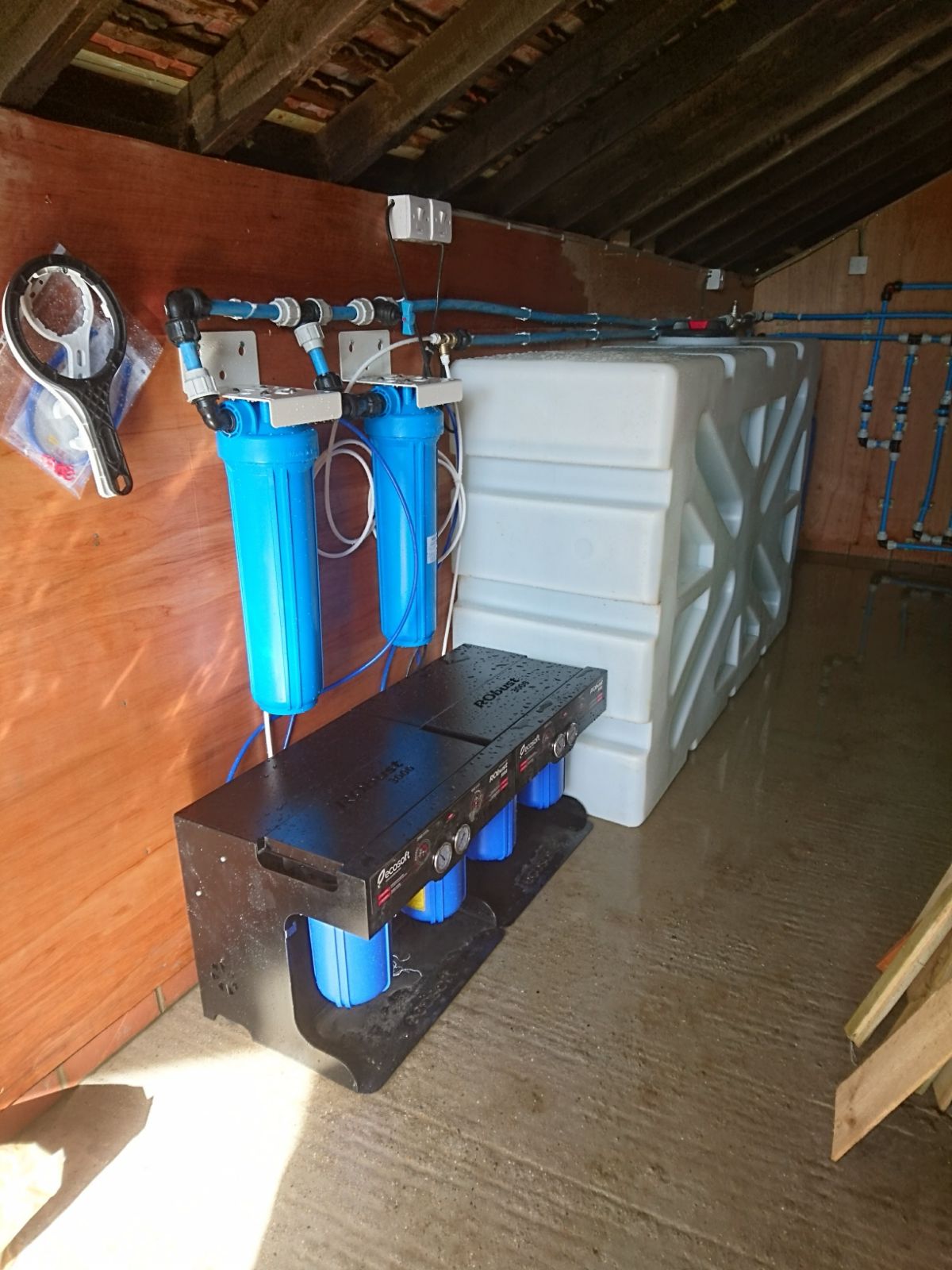
If you do the water is normally stored and treated before it can be used safely. This is normally done with a storage tank / filter / UV treatment system which may look similar to the picture below.
Hot Water System
- COMBI BOILER
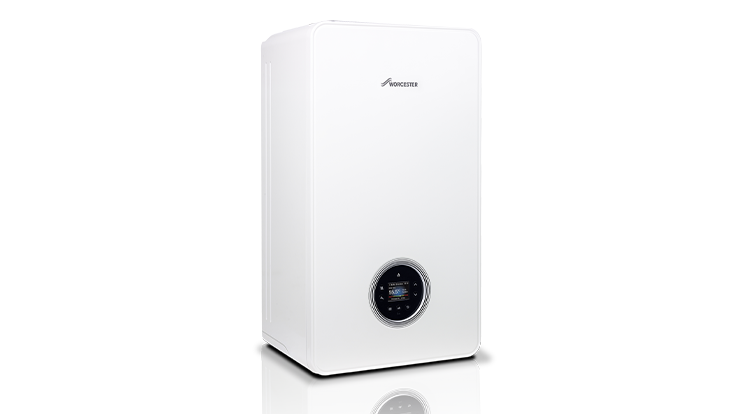
A Combi Boiler provides hot water and heat to your radiators. You will not have a hot water cylinder anywhere as no hot water is stored, it is heated on demand.
- CYLINDER - UNVENTED
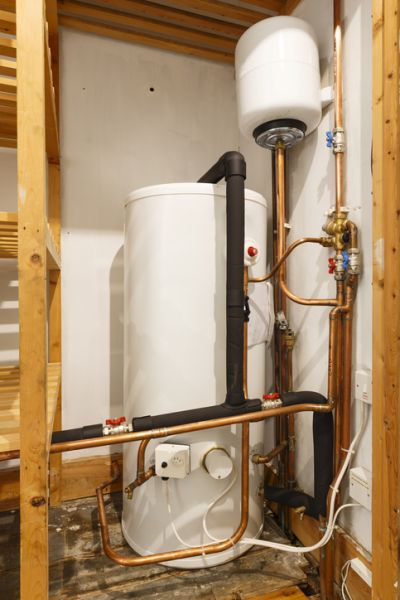
As above this is a large cylinder to store hot water however it is fed directly from the mains supply, there is no cold water tank. It may have an expansion vessel (a much smaller cylinder) located close by.
- CYLINDER - VENTED
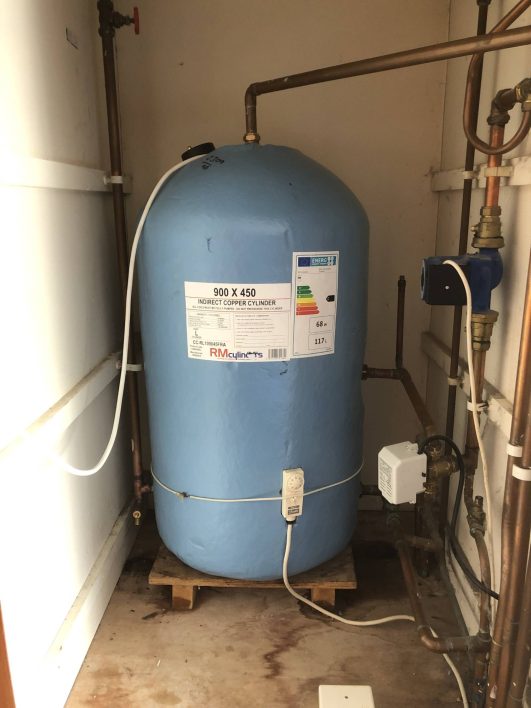
A Vented Hot Water Cylinder stores hot water (which may be heated by a boiler or electric element / immersion) ready for when you need it. Its normally a large cylinder in an airing cupboard or utility room for example. The ‘Vented’ part means the cold water is supplied to the cylinder from a cold water tank, normally in the loft but sometimes directly above the cylinder. As you take hot water from the cylinder it is replaced with cold water from the tank.
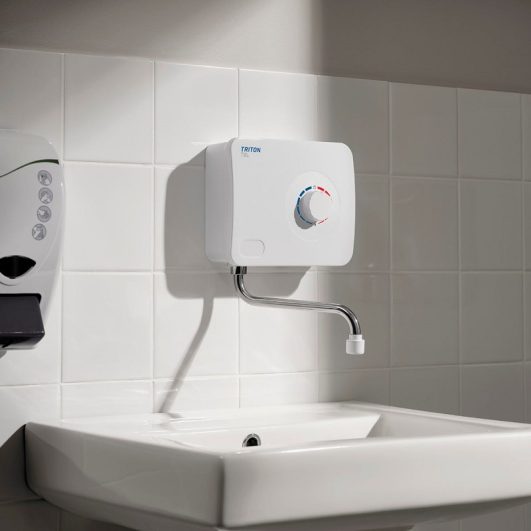
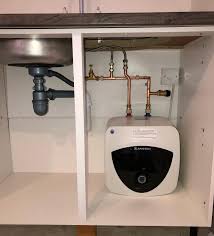
- WATER HEATER
These are normally small units which have a volume of less than 15L and heat water either on demand or in a small built in cylinder. They are normally located above or below sinks.
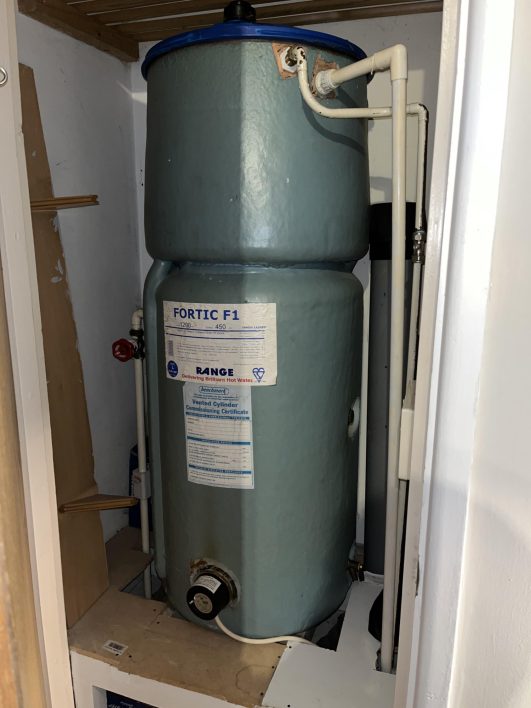
- FORTIC TANK / COMBINATION HEATER
A hot water cylinder with its own small cold water feed tank on top, usually heated by an immersion heater. These have their own cold water tank, the bottom bit is hot, the top bit has a small cold water tank normally with a ‘float valve’ like you would see in a toilet cistern.
Other Parts of the System
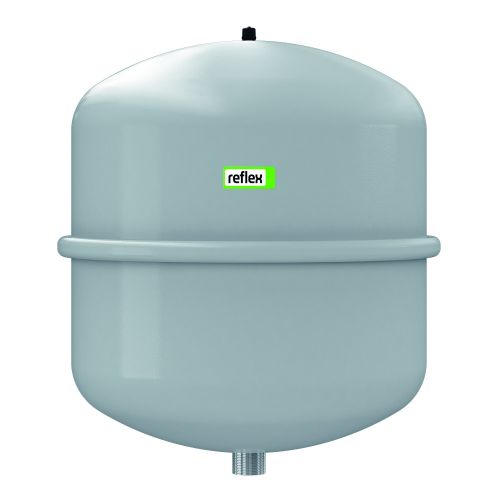
- EXPANSION VESSELS
Expansion Vessels are mini cylinders which accommodate the changes in the volume of water as it heats up and cools down.
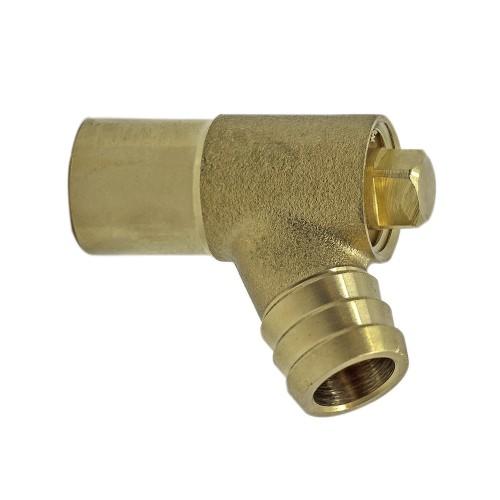
- DRAIN OFF VALVE
This is a small valve at the bottom of the cylinder or on the cold pipe before it enters the cylinder which when opened allows water to flow out of the cylinder. Either for service works or routine maintenance and annual condition check.
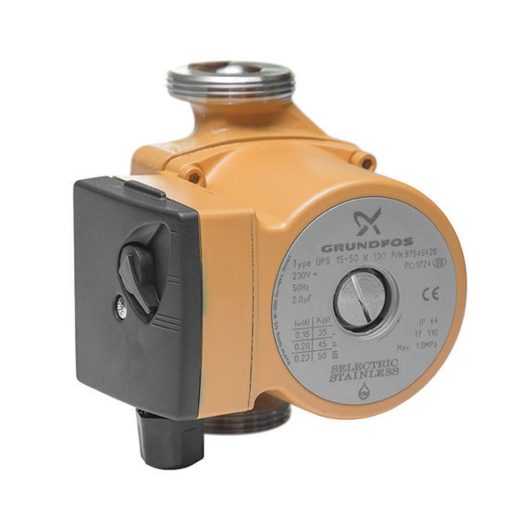
- SECONDARY RETURN SYSTEM
This is a small pump which constantly circulates water around the whole system so you have access to almost instant hot water no matter how far away the tap is.
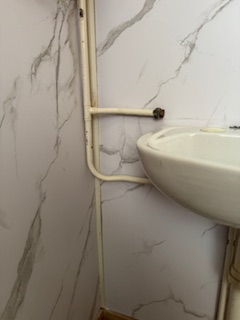
- DEAD LEGS
Dead legs are lengths of pipe which have no through flow of water, they may be isolated, capped or blanked off completely. As a rough guide dead legs should be no more than 2 x the supply pipe diameter i.e. if its a 15mm pipe, the dead leg should be no more than 30mm long.
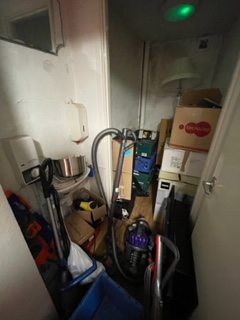
- OUT OF USE ASSETS
This relates to anything that has water going to it, that could be used, but is not ! It may be a single tap, a sink, a bathroom, a broken washing machine or sometimes a whole part of a building.
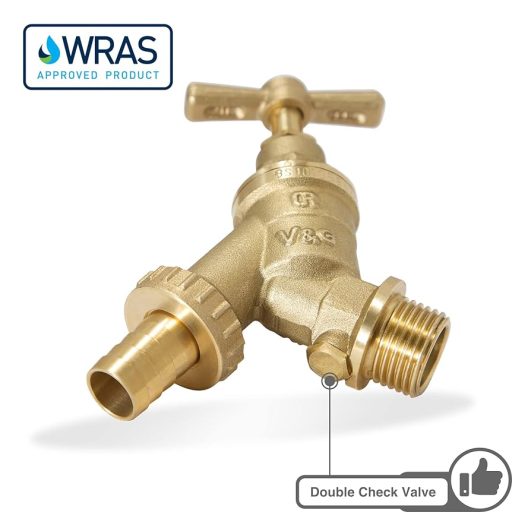
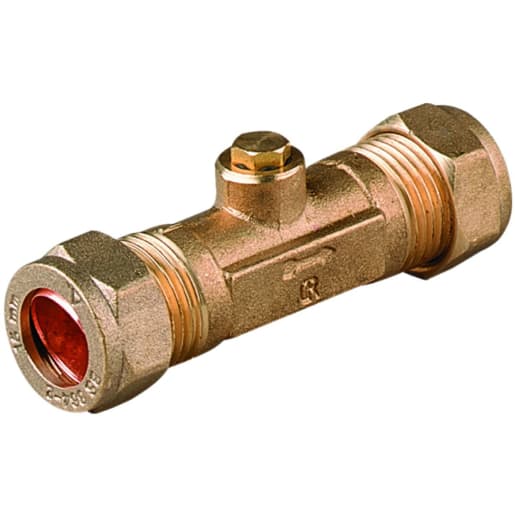
- DOUBLE CHECK VALVES
These valves (sometimes referred to as non return valves) ensure the water only flows in one direction so nothing can come back from hoses left attached for example. They are sometimes integrated into the tap itself (you can normally tell as there will be a small nut underneath the tap) or installed separately on the supply pipe.
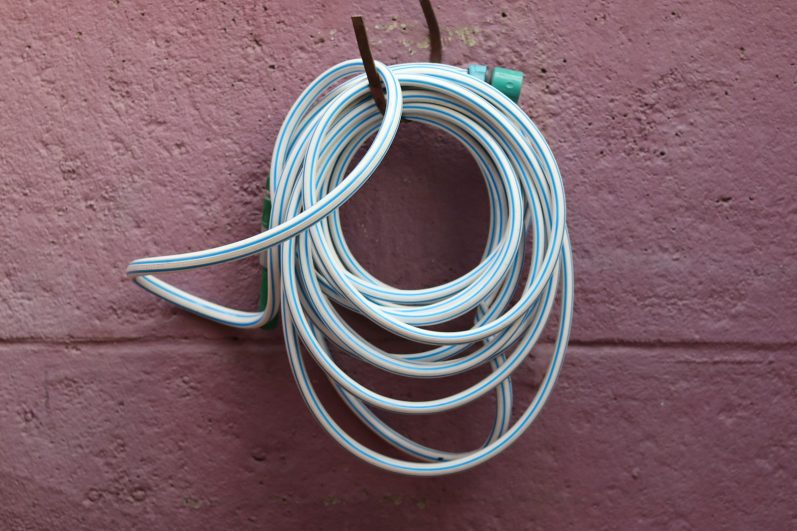
- HOSES / HOSE REELS LEFT ATTACHED TO TAPS
This may be a hose reel attached to the wall, or just a length of hose which is permanently connected to the outside tap.
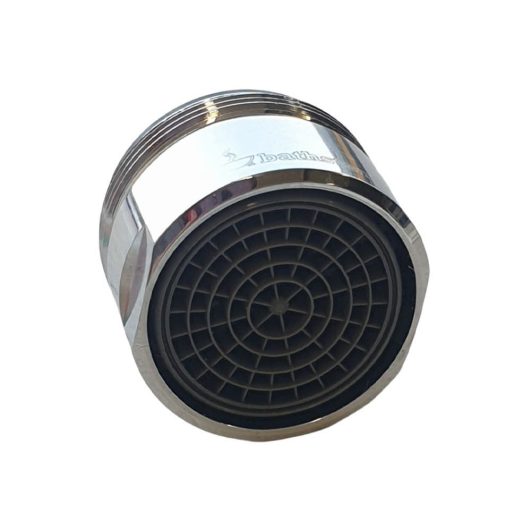
- SHOWER HEADS AND HOSES AND SPRAY TAPS (AERATORS)
Shower heads and hoses are fairly self explanatory. Spray Taps / Aerators are normally inserts in the tap itself where the water comes out to change it from a stream to a spray.
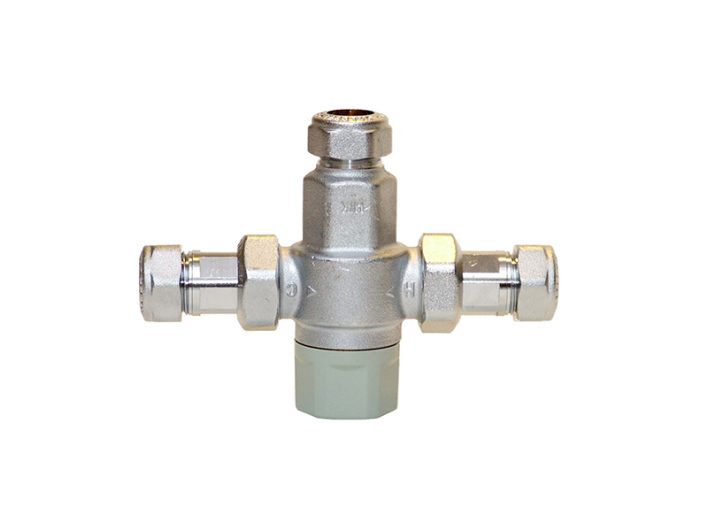
- THERMOSTATIC MIXING VALVE (TMV)
A TMV is a valve (sometimes called a blending valve) which mixes the hot water with some cold before it comes out of the hot tap to ensure its 'blended' to a temperature that will not cause scalding.
Taking Temperatures etc.
COLD WATER
- For cold water temperatures simply hold your thermometer under the running tap. Once the temperature stabilises (stops going up or down) make a note of the temperature.
COLD SHOULD BE BELOW 20c WITHIN 2 MINUTES OF OPENING THE TAP
- For hot water temperatures again, simply hold your thermometer under the running tap. Once the temperature stabilises (stops going up or down) make a note of the temperature.
HOT SHOULDE BE ABOVE 50c WITHIN 1 MINUTE OF OPENING THE TAP
We would advise taking the HOT temperature from an outlet that does not have a TMV fitted, however, if you are taking from a tap with a TMV then you CANNOT take the temperature as above as the result will be a blended water temperature (normally between 38 - 44c) so not an accurate measure of hot water distribution around your property.
To take the hot temperature from an outlet with a TMV fitted please take the reading from the SURFACE OF THE HOT PIPE BEFORE IT ENTERS THE TMV.
- Temperatures of Secondary Return Systems
If you have a secondary return system installed at your property (a constant loop of hot water circulating) to take the temperature simply place your thermometer (tip) against the pipe before the secondary return pump. The system will need to be running so water is circulating so if the pump is on a timer you may need to switch to the 'on' position.
SECONDARY RETURN TEMPERATURE SHOULD BE ABOVE 50c